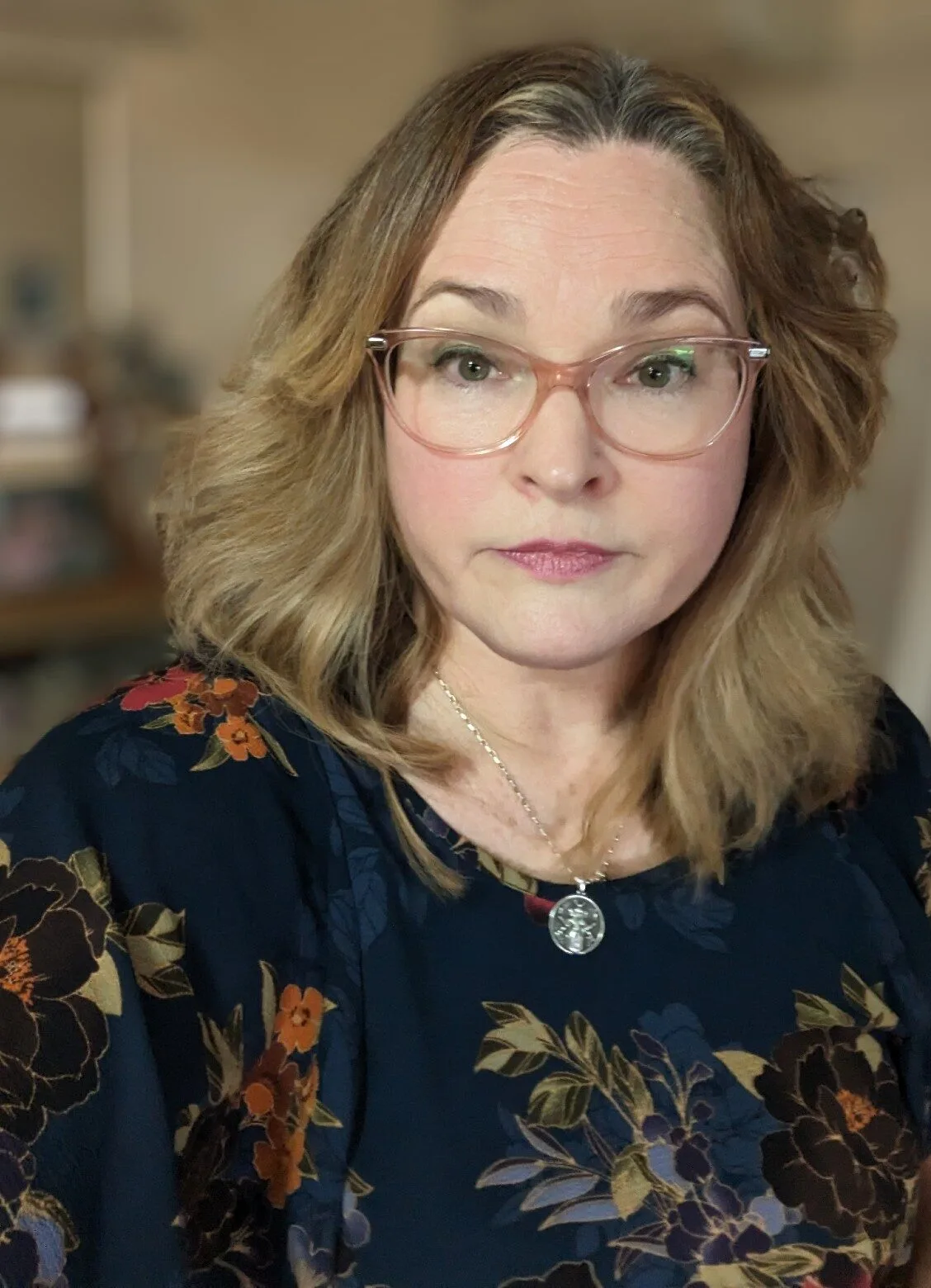
By Angela Slatter
As a writer, you might feel a need for more guidance than workshops and classes provide. What you’re after is personalised attention from someone with more experience and knowledge than you. A mentor. That’s going to fix everything, right?
Well, maybe.
A mentor can be helpful when you don’t quite know how to further improve your writing, or what’s your best next step. However, if you don’t have a clear idea about what a mentor can provide, then you’re going to have problems.
So, consider long and hard what you want out of a mentorship. Are you hoping to hone your skills? Navigate the depressing swamp of publishing? Leap the velvet rope of a literary agency? Or just get to the finish line on a larger project? The right mentor can definitely help.
Why you need them:
Well, “need” is a very strong word. Perhaps “why they can help” is a better phrase. Not everyone’s going to find the perfect mentor, and not every mentor is going to be perfect for you. Sadly, it’s trial and error (like most of life), but here are some tips for your search.
Five Reasons to Get a Mentor
- They don’t live in your head. That is, they’ve got a clear perspective about your writing ability and the viability of your ambitions. The right mentor can assess the standard of your writing and figure out a strategy for moving forward. They can also help manage the balance between your expectations and the reality of publishing; dreaming big is great but you still have to work. Hard. A mentor can judge the gap between what you want to do and what you need to do.
- Networking. A mentor’s unlikely to introduce you to an agent, an editor, and a publisher to magically clear your path. But they’re ideally someone who’s been in the industry longer than you and knows a lot: tricks of the trade, useful information, and hacks that aren’t common knowledge. A mentor who’s been around for a while should have connections to publishers, editors, and agents and be able to guide you in the right direction. Hopefully they’re aware of submission callouts and new markets and are generous enough to share that information.
- They remember the map. By that, I mean they remember what it was like to be a baby writer, so their next-step assessment is appropriate. Some writers have been big deals so long they don’t recall what it was like in the beginning, so advice about “when you get your thirty-city book tour” isn’t helpful for an unpublished author. A mentor needs to recall their first steps and missteps; their advice won’t stop you from making all your own new mistakes, but it might give hints to adapt for your own situation (and to manage expectations).
- Feedback. A mentor’s feedback should be useful and constructive and directed at improving your work. They shouldn’t say “this is how I would have written it” because it’s not their story. What they should give is advice about how to best tell the story. They can help with plot-noodling and inspiration, and whether an idea is a short story, novella, or novel.
- Challenges! Less jousting or quests, but definitely writing experiments to help broaden your skill set. That will include providing useful reading lists and encouraging you to analyse how another writer has done something really well. It definitely doesn’t mean giving toxic feedback, but addressing weaknesses in your work with suggestions for overcoming them. Praise where it’s due, and constructive criticism where it’s needed.
So, if you’ve decided you definitely need a mentor, then read on. What do you look for? Someone who can help with both writing skills and publishing knowledge. Here are three green flags and three red flags.
Green Flags
- A respectable publications list across several years – preferably not self-published*. This shows they’re active in writing and publishing, have current contacts, and knowledge of publishing trends. It means their writing’s good enough to have been published—in theory, they’re producing quality stories, well told, and not riddled with errors. This is the person you want reading your work with an eye to improvement.
*That’s not a sledge against self-publishing, but if you’re trying to break into trad publishing, you’re going to want a mentor who knows about that area. If you’re wanting to do self-publishing right, then look for a successful self-published or hybrid author to advise on ensuring your investment isn’t going to waste. The most successful self-published authors I know don’t ignore “trad” things like editing, proofreading, cover design, interior layout—they employ knowledgeable specialists for that part of their enterprise. That’s the mentor needed for a sustainable self-publishing career. - Teaching and mentoring experience. If you’re someone’s first mentee, you might be a bit of a guinea pig. Remember: not all writers are good teachers; not all teachers are good mentors; not all writers are good mentors. You want someone who can pinpoint issues in your writing and make practical suggestions for improvement. Do your research about potential mentors—did previous mentees find the experience worthwhile?
- Praise and encouragement. When you do better, you deserve praise cookies. You don’t want someone blowing smoke up your ass and saying you’re brilliant when you might not be. You also don’t want to feel you’re doing nothing right. Constant criticism makes you want to give up; empty praise means you never bother to improve. I still try to improve with every book even after twenty years (and still like a praise cookie).
Red Flags
- No/very few publications, or nothing in the last 5-10 years. It suggests they’ve either lost their mojo or their interest. Maybe they never improved. Maybe they make a better living mentoring or teaching, which is fine except it might mean a lack of contacts/networks, and not knowing what publishers are looking for.
Caveat: it might also mean they love mentoring so much it’s become their passion—in this case, talk to previous mentees and ask about their experiences. You’ll know pretty quickly which way the land lies. - Absolute statements (also goes for writing teachers), such as “This genre is no good at all” or “The only writing worth reading is Big L Literature”. It’s a sign of a closed mind and they’re probably not going to be useful advisers for someone writing “genre” works like fantasy, etc. They might try to get you to write something different or give no other feedback. The only even vaguely helpful absolute statements relate to spelling, grammar and formatting—and even those are fluid depending on whether your publisher’s style is English UK, American, Australian, or a hybrid.
- Unreliability. This one’s hard to judge unless you’re actually in a mentorship, but signs will be there, such as not answering emails in reasonable time, not providing correct information, and not answering questions. This will lead to bigger problems: not turning up for scheduled meetings, not providing feedback within an agreed timeframe, or not having read what they’d agreed to read. If this happens once, address it politely—everyone’s entitled to one mistake—but if a pattern emerges, you’re well within your rights to finish that mentorship. So be wary about how much you’re paying and when—best not to pay a year in advance, but quarterly or monthly.
Mentee’s Obligations
Yes, you do have them.
If a working writer agrees to be a mentor, the time they devote to you is time they’re not putting into their own writing—and writing makes a writer’s economy go around. Most of us have several income streams in order to survive: a day job, grants, teaching, editing, writing articles, judging competitions, assessing literary grant applications, etc. So there’s already a range of activities taking us away from our writing.
If you’re going to be a mentee, be a worthwhile mentee.
- Respect deadlines. They’re not just suggestions; they keep you on-track with learning and improving. They help your mentor manage their own workflows to get your feedback done on time. This ensures a degree of predictability and comforting routine; you’re respecting their time and they yours.
- Pay your mentor. Not only is a writer’s writing time being used when they’re mentoring, so is a huge amount of creative energy that would normally go towards their own novel. This energy isn’t an unlimited resource; whatever gets put into someone else’s work is gone. So, a mentor needs to be financially compensated for their time, energy, and knowledge in order to pay bills. No one owes you their time from the goodness of their heart. You expect to be paid for work, so your mentor should be paid for theirs.
- Listen. Mentors won’t always be right, but they won’t always be wrong, and you’re paying for access to their knowledge and guidance. If you spend your sessions explaining why their advice won’t work for you then you’re wasting everyone’s time, money, and energy. Not to mention spectacularly self-sabotaging. I’ve mentored a lot of people over the years and have only let two “go”—because they weren’t listening to me. Most of my other mentees and clients have gone on to publication because they listened!
- Provide clean copy. If you’re expecting someone to give useful feedback, then provide them with a good clean manuscript. They’re not there to be a spellchecker. The cleaner the copy provided, the better advice they’ll be able to give because they can concentrate on the actual story rather than being distracted by careless mistakes. A manuscript riddled with spelling and grammatical errors, incorrect formatting, and punctuation will have so much “noise” on the page they’ll be preoccupied by navigating a literary garbage heap. Clean copy is respectful copy.
- Remember you’re not the centre of the universe. It’s a hard idea everyone struggles with, but you’re not the only person demanding a mentor’s attention. Just like you, they have work colleagues, partners, families, friends, pets—and other mentees/students. You get a share of their availability. They’re not your therapist, parent, or BFF. This is a professional relationship. Don’t email bomb them with demands, tales of romantic woe, or general trauma dumping. They have their own problems. You can have a perfectly pleasant mentor-mentee business relationship, but don’t mistake it for anything else.
So, where do you find them?
If you’re feeling especially confident, you can email an author whose writing you admire and ask if they’re open to mentoring. Sometimes they’ll reply. Sometimes they’ll say “yes”. Sometimes they’ll say “No, but here’s someone I’d recommend”. Sometimes they won’t reply at all; don’t send emails about how they’ve ruined your life. They’re just trying to get through the latest fall of civilisation like the rest of us.
- Teachers of writing workshops/retreats sometimes offer mentoring services or are able to recommend someone best suited to your writing and level of experience.
- Author websites generally show if mentoring services are on offer and what the rates are.
- You can get referrals from other writers, agents, editors, and publishers.
- Writers’ centre newsletters often list upcoming mentorship programs or literary prizes/grants that have a mentorship component. Said centres might also be able to advise who to steer clear of.
- Always check rates of pay to see what’s fair—it’ll change depending on the experience and profile of the mentor (e.g., a multiple award-winning bestseller will charge more than a midlister). Writers’ organisations often set rates for activities like teaching and mentoring so you can get a baseline from them.
- Check a potential mentor’s bona fides. Make sure their publications list is genuine! Ditto with any endorsements on websites; do those endorsers exist? Google’s your friend. If you can, chat with a current or former mentee about their experience—keeping in mind that someone mightn’t have had a good experience, but others might. If you talk to two or three people and none had a good time? Vote with your feet.