By Nichole L. Lightner
Short fiction is my favorite storytelling medium. While I love all kinds of short fiction, I work in the genre space; some of this advice might be specific to genre. Short stories, flash, micro, drabbles: if I can read it in one sitting, I love it. And that’s a good thing when you get into the editing side of the game because you are going to read a lot of submissions. I don’t think I would be able to accurately quantify it anymore. Five thousand? Maybe under seven thousand? And that’s just with a few years under my belt.
For folks who have been around longer, like my predecessors at The Drabblecast, or the wonderful people behind your other favorite magazines—like Apex, the Escape Artists, Archive of the Odd, 34 Orchard—it must be exponentially more.
With so many stories flashing before our eyes, you might wonder how we could possibly pick the few we’re going to publish. How we decide how, and when, and why we pick which story to accept. When we pull up the queue in the morning, or the evening, or in the waiting room at the dentist, and just BOOM there it is: a have-to-have-it, slam dunk, big yes, holy-shit-this-is-great story. Defining and repeating that discovery feels situational and nebulous. But I feel like it’s always fun to try and wrangle the ethereal, so I’m going to give it a go. I hope you enjoy.
The first rule of submitting short genre fiction is you need to really like and believe in your story. I don’t mean in a “Oh sure, Pepsi is fine” way (let’s be honest, it’s never fine). I mean in a way that feels like you carved out a declaration in marble. You are basking in its glory, so you are damn sure I will too. You cut a truth from your heart, and the wet thwack of it on my proverbial desk will send ripples to shake my own.
In a submission queue, your story is one of the Legion, one among thousands. I promise you, when you didn’t believe it was a banger, we can tell. You should care the most about your story. If you don’t, why would I?
The second rule is that you cannot overly value my opinion of your work. Who am I? I’m just some chucklehead. When Norm Sherman, my editor-in-chief, handed me Cameron Howard’s titles and lands, dubbing me Editor Chucklehead II, I was not given infinite knowledge of the genre or supreme authority on taste. I did get Cameron’s email templates, which god save him, some of us editors live and die by the email template. I said earlier, it’s incredibly situational to find the Right Story, and it’s therefore true that it’s incredibly situational to find the Right Market. If I pass on your story, it’s not always a judgement on the quality. I’m looking for sweet potato fries with spicy barbeque, but you made an amazing three-layer almond cake. If you are sending in sweet potato fries to a chili cook-off, you are going to lose. If you bring chili to the summer picnic, your Aunt Rhonda might give you a funny look. So, when a rejection includes some feedback, I encourage you to take what you like and leave the rest. Often feedback with a rejection is the editor describing how your story would serve them the best and what kept it from their magazine. This may not apply to the other markets looking at the story.
The third rule is a no really means no. This applies to all things in life, and if you are struggling with this, I am not qualified to help you. Rejections hurt, but I implore you not to reply. Log your R, commiserate on the Submission Grinder or Duotrope, and tell your partner that some chucklehead turned down your story. Do not reply to the rejection. Not even to just say thank you.
The fourth rule is you don’t get paid to do my job for me, so don’t. (Let’s pretend we are all getting paid for art in some utopia.) Never self-reject. You make the pretty art, and I say yes or no behind my big proverbial desk and my shiny gold placard that says Editor Chucklehead II. Should you read the guidelines? Yes. Should you respect their instructions? Yes. Should all markets be simultaneous submission? Yes. Do not count yourself out of any market, especially if you think you “aren’t good enough.” I won’t do the Carrie rejection story, because—yawn—we get it. I WILL tell you about my dog.
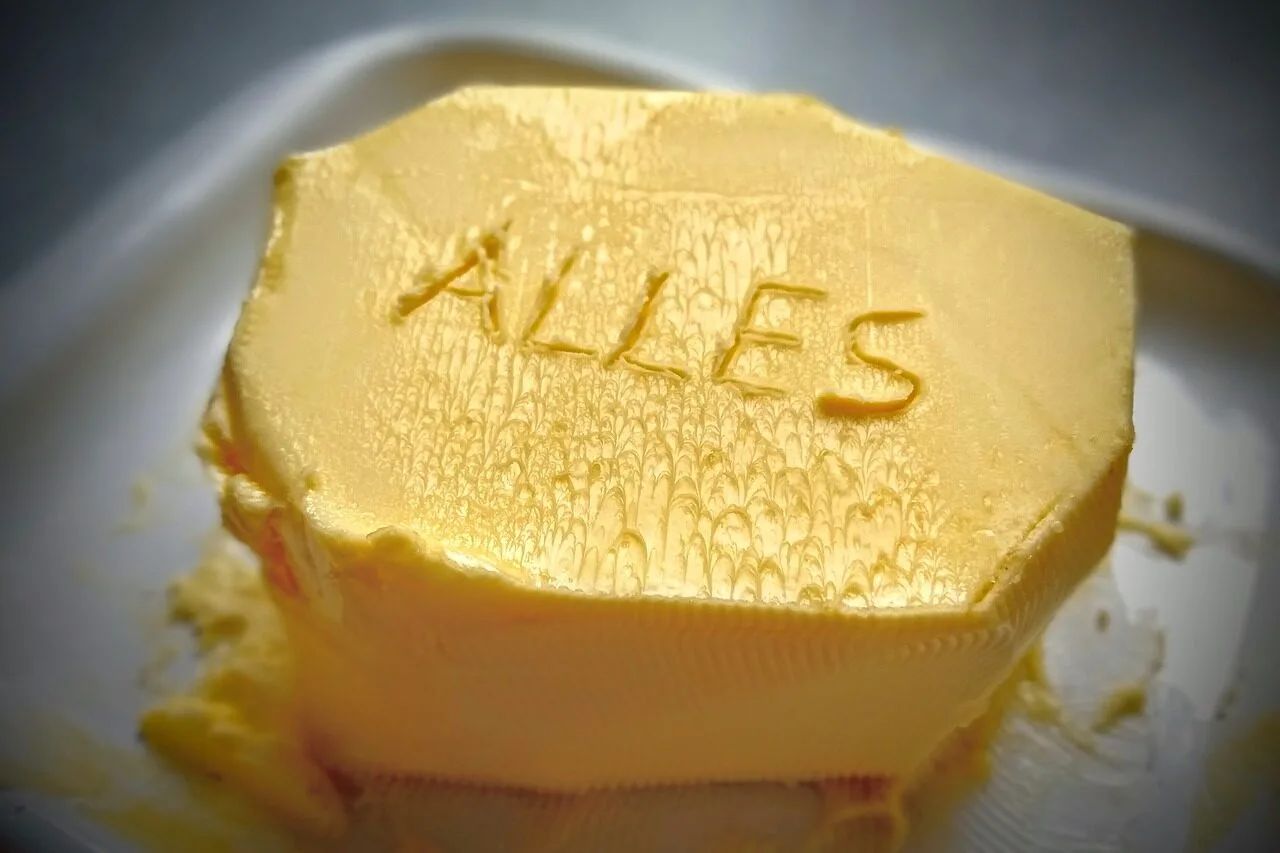
Ham is a five-year-old rottie mix who believes in himself, unwaveringly. This man (dog) believes with his whole fluffy chest that he is the best thing on this planet, and those crumbs? His. That hot dog? Also, his. But his holy grail is butter. I try so many ways to prevent this monster (dog) from getting the butter, but he finds a way. He has opened doors, disassembled protective covers, and subverted grown adult supervision to extract his precious yellow prize.
Believing in yourself takes you everywhere in life, but in genre fiction, the spots feel scarce, and the competition is high. The temptation to despair is high. You must resist this temptation. Channel your inner butter-loving dog. You deserve that butter, Ham.
The fifth rule is get the butter. I mean, don’t give up, no matter what obstacles your mom (life) places between you and what you want (butter). The story that you have polished and honed, carved out from your very living heart is out there in the queues. It’s fighting for its life, and also leaving a bloody mess in its wake. What does that leave you to do? I know we need to doomscroll and also get the laundry done, but as a writer, what are you doing while waiting for your email chime?
Maybe it’s an acceptance! Holy shit! You did it! You made a piece of art that spoke a truth into the world that resonated so deeply with another person that they want to spread it further! Tell your weird writer friends and your just as weird real friends!
Or damn, it’s a rejection. Well, holy shit. The audacity. You worked really hard on something and spoke a truth into the world, but it didn’t land this time. Tell your weird writer friends, and your just as weird real friends, so that they can remind you editors don’t know anything about hiding butter. Acceptance rates at most magazines are under one percent. Successful writers’ acceptance rates get up to around five percent. Amazing! They’re beating the odds! Butter that bread! Nineteen out of twenty of their emails are still rejections.
But after that, when the confetti or dust clears, it’s just down to you, dear writer. What’s next? Another market, sure, but also another story. There always has to be another story. You aren’t just a writer looking for pats on the back, though those do really help. Ham likes them a lot too. You make art during a time in history when art is so fucking important. Make the next story, and don’t give up. Making the art is the win. That’s the butter.
You’re an artist, and since you made it this far, I’m going to give you another rule for free. Find your people. Find other artists making the kind of art you are and find other artists making different art than you. Talk about it. Cheer them on. Console them. This business of carving our hearts out to share them with the world is hard, but friends and community make it more rewarding than you can guess. Find them, share your many defeats and occasional triumphs. Ask them to help rip your heart out and smear it on the page, and if it gets stuck, sneak into their fridge and see if they’ve got any butter.