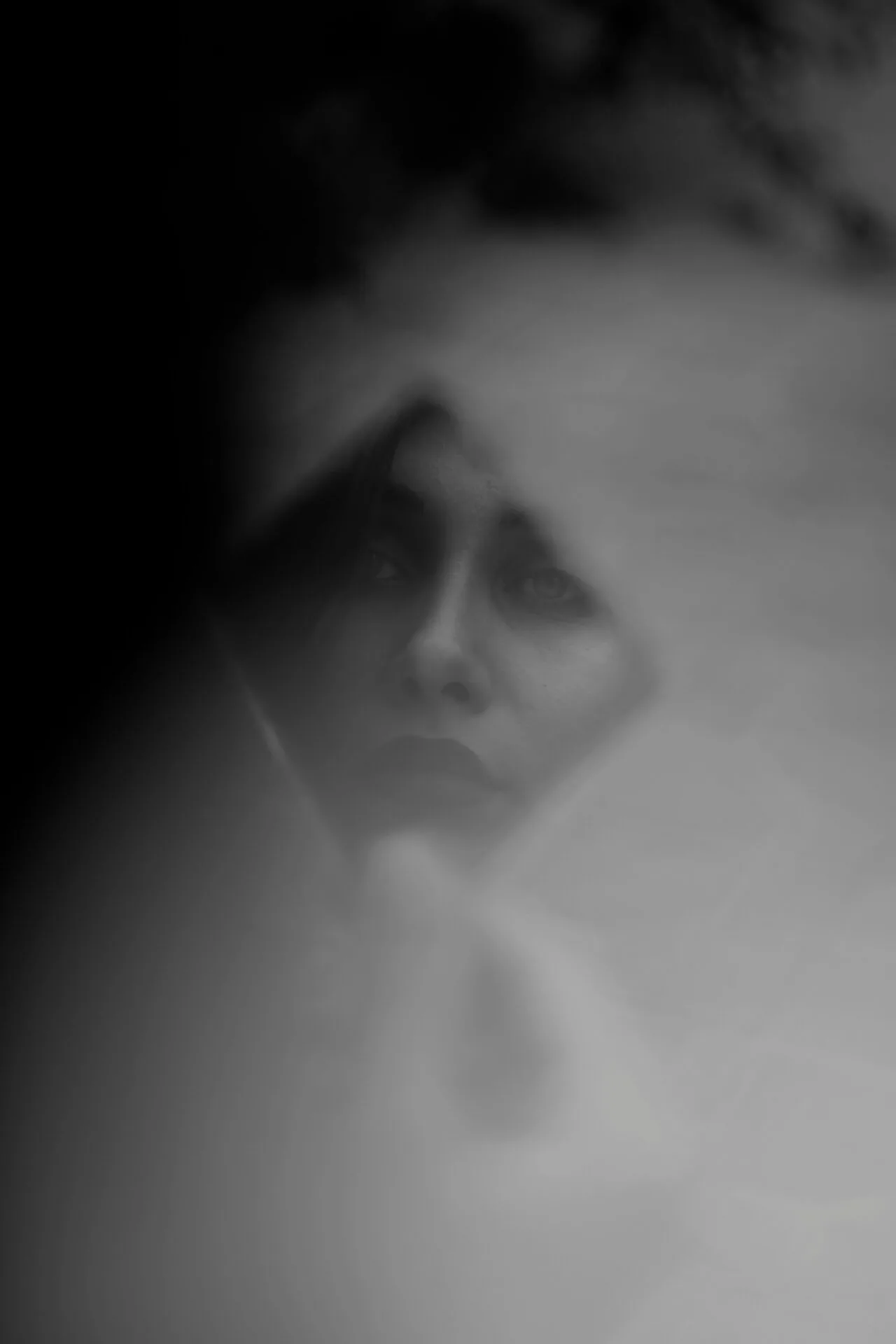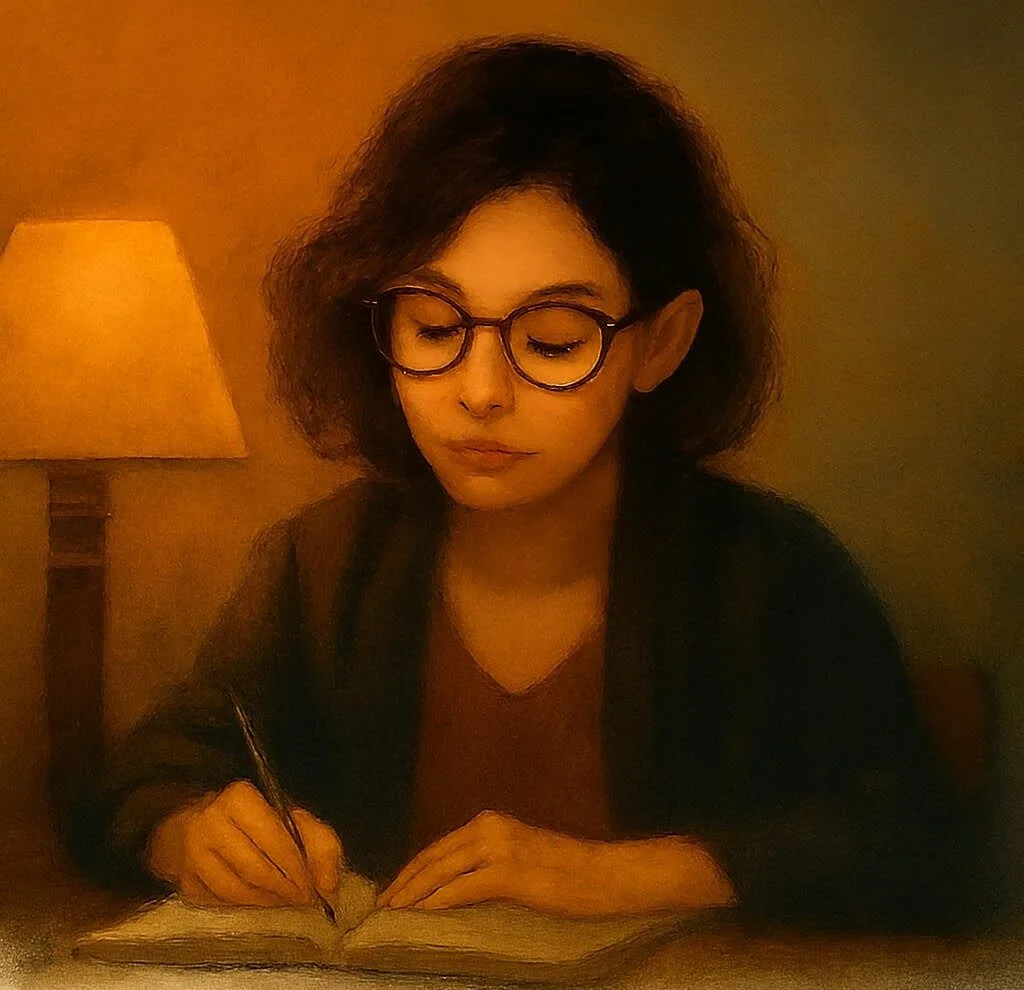
I have been writing for many years in the hush that follows noise, in those narrow hours between midnight and the faint first light of dawn. There, words reveal their true layers; they are not merely a means to recount events but small mirrors that return incomplete faces. Dark writing taught me to turn the world over in search of hidden angles and to treat fear as an epistemic service; the goal is not merely to frighten the reader but to convey something true about them.
At the beginning I wrote as if following a recipe: a sentence here, a metaphor there, then waiting for a spark that remained disconnected from the reader. Over time I discovered that dark fiction does not necessarily demand coarse vocabulary or shocking scenes. It requires confidence in small details: the smell of coffee cooling on a table, the sound of a mailbox closing late at night, a line of memory left unspoken. These fragments, when gathered, produce a mood more dangerous and more honest than any ornate description.
One practical lesson I learned is that fear is made more of waiting than of the event itself. A good writer knows how to build measured pauses, silent spaces that invite the reader to fill the gap. I therefore began to favour short, staccato sentences within a longer paragraph or sudden shifts in linguistic rhythm that unsettle expectation just enough to provoke a genuine emotional response. The aim is not to trick the reader but to give them a chance to feel and then to understand.
Authenticity comes from acknowledging vulnerability. Can one write true horror without admitting personal fear? For me, the answer is no. The closer I move to my own weak points—the listlessness that sometimes carries me through days, the small losses that never make headlines—the stronger the narration becomes. This does not mean oversharing; it means choosing small moments that bear double weight: intimate and emblematic at once. When I describe a woman lighting a cigarette and exhaling smoke in a dim room, I am not merely describing smoke; I am mapping an inner conversation about what is withheld and what is demanded. The reader may not know my life’s particulars, but they will recognize a human voice that fears the same experiences.
Working with temporal structure in a piece is like calibrating a delicate timepiece. I often start from a pivot: a snapshot or a simple incident that later accrues broader meaning. It might be a bird on a windowsill or a letter discarded into a mailbox. I then reconstruct forward and back, scattering attention into the spaces between lines and deliberately leaving marks that make the reader feel as though they are participating in the discovery. This style demands patience; not every secret should be revealed at once. Sometimes I cut an entire passage because it ruins the rhythm or robs the reader of the final confrontation.
My practical advice to writers wanting to work in dark fiction or speculative literature is this: attend to what is unsaid as much as to what is said. The strength of a text is not always in the most dramatic scene but in the shadow it leaves behind. Ask your text to function as a channel: do not explain everything; allow parts of the story to be constructed inside the reader’s mind. Use linguistic restraint: one verb, one precise detail, then stop. These small pauses convert the reader from receiver to collaborator in producing fear and meaning.
Another practical aspect of this work is coping with critique and rejection. The publishing industry, especially in genre fields, can be harsh; terse rejection emails can make a writer feel like a number. Here a different, less painful toughness is required: self-editing and the persistence to revise across long cycles. Read your work aloud, ask one trusted reader to comment on rhythm rather than plot alone, and always remember that revision is not a shortcut but a bridge the writer builds between the text and its reader.
Finally, I pose an ethical question to myself on every project: why am I writing this piece? If the answer is shock for its own sake, I hesitate. If writing is a means to understand what makes us human—our fear, our small joys, the ways we disappear in public—then dark fiction becomes an epistemic tool. In that space I use darkness to illuminate things invisible by day; I use horror to reorder questions about identity, connection, and memory.
Writing in this genre teaches you not only how to craft a terrifying scene but how to create a moment that lingers after the lights go out. Writers should invest in those moments, trusting that a reader will want more when presented with something honest. In closing, a quick piece of advice: begin with a sentence that seems simple, then pull a complex web of detail from beneath it. Let that web work slowly and seep into the reader. That is the kind of writing that makes people learn something and feel something at the same time.