by Patricia A. Jackson
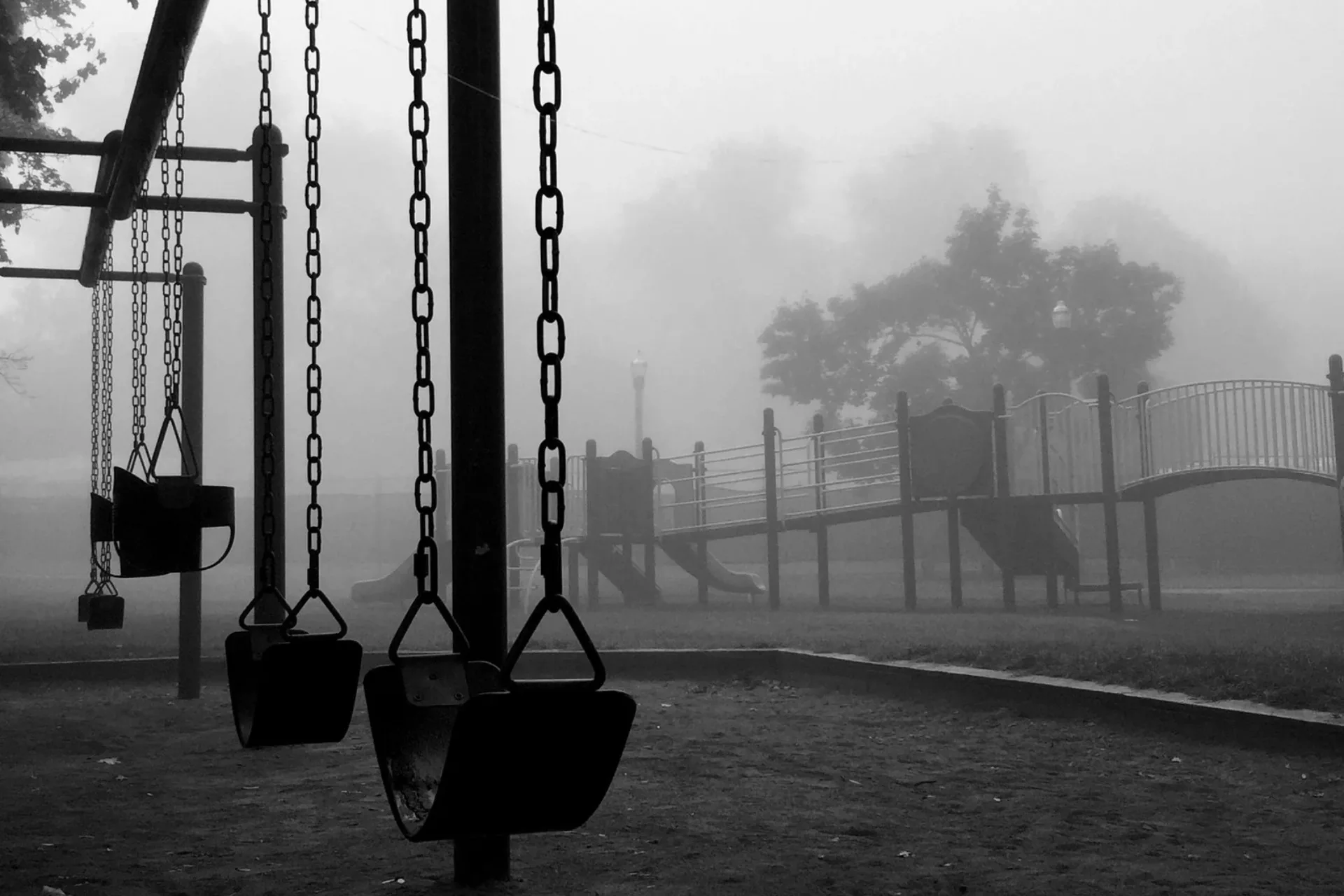
Writers live an isolated existence. So much of what we create evolves entirely in our heads, unless we choose to share it with someone else. Writing is the sacred playground where I can hunt velociraptors with a lightsaber, bring tyrants to their knees with kindness, and occasionally fall in love with heroes who leave Disney princes looking emotionally unavailable. As a storyteller, I adore sharing my worlds and characters and the mayhem that unfolds within my imagination. But that love of sharing comes with a caveat.
Writers, beware who you invite to the sacred playground!
There is a specter that needs no MFA or fancy alphabet soup after its name to upend a writer’s world: the beta reader who doesn’t understand the assignment. I recently asked someone to beta read a finished piece for me. They replied yes with the uninvited assurance that they would also do a ‘good’ copyedit as they worked through the manuscript.
My muse was horrified.
This was not the first time this beta reader dismissed the playground rules, but it would be the last. The offer was quickly rescinded. Not out of malice, but because the invitation had already been misunderstood. I didn’t need a Grim Reaper of Grammar on my playground. I needed a Dorothy to travel the yellow brick road of my Oz and bring back a report of the sights and scenes.
A beta reader who notices every misplaced comma or dangling modifier but misses how I painted my protagonist into a corner has mistaken the assignment.
This sounds obvious, but every writer who has been around long enough has encountered that beta reader—you know the one—who volunteers to read your book and returns it with line editing and suggestions that fundamentally alter the story, the characters, the point of view, the genre, and occasionally the laws of physics.
Many people don’t understand the difference between a beta reader and a critique partner.
The latter is almost always another writer who, unlike Dorothy, gets access behind the curtain. They’re allowed to look under the hood of the manuscript and see all the hidden machinery that keeps the illusion alive: story structure, character arcs, pacing, tension, theme, and all the invisible gears that make the story work. When they point out a problem, they’re usually speaking the language of craft.
A beta reader is quite different.
A beta reader stands in for the ordinary reader. Their job is to experience the narrative and report back, not fix it. Did they laugh? Did they cry? Did they stay up late reading when they should have been sleeping? Did they get bored and start doomscrolling halfway through Chapter Twelve?
Beta readers provide crucial information we can no longer see. An impartial set of eyes. Just the eyes, not a scalpel or a backhoe. Here are some great examples:
- “I didn’t believe she’d forgive him that quickly.”
- “I hated that character! He is so developed that I can see him.”
- “The scream that just came out of me reading that last bit—my poor neighbors!”
- “I didn’t want it to end.”
None of these comments tell me how to fix the manuscript. They tell me what happened while someone walked through my playground, and that’s the information I can’t generate for myself. Writers become blind to the pathways they’ve built. Beta readers remind us where people may stumble, linger, or decide to turn back.
Notice what isn’t on that list for the beta: deciding whether the protagonist should be a vampire, whether the romance should disappear, or whether the story would be better written in first person from the perspective of the family dog. Yet more and more beta readers have crossed that line with remarkable consistency—to the point where many writers no longer use them.
When I invite beta readers to mingle with my imaginary friends, I’m asking them to play on the swings, climb the monkey bars, and tell me which slide gave them splinters. What I’m not doing is handing them a bulldozer and asking them to redesign the landscape. This is a surefire way to be uninvited and denied access.
Beta readers are visitors. A good one knows their role, reporting where they got lost, where they got excited, which characters they loved, and which ones they wanted to blow out of the airlock. At the end of the day, the visitors go home and the sacred playground once again belongs to its creator.
Writers need honest feedback. Honest feedback is invaluable. But there is a fundamental difference between helping a writer improve their story and trying to replace it with your own. The first is collaboration. The second is creative trespassing.
Creative trespassing rarely begins with bad intentions. Most beta readers genuinely want to help. The problem is that they begin solving a different problem than the author is trying to solve. They stop asking, “Did this story work?” and start asking, “How would I have written this story?” Those are two entirely different conversations, and only one of them belongs in a beta read.
Good beta readers understand the assignment:
- React. (How did the story make you feel?)
- Record. (What did you experience?)
- Report. (Tell the author.)
- Then… leave the playground exactly as you found it.
The playground isn’t perfect. The slide may still need sanding. One swing may squeak. The monkey bars might wobble. The beta reader’s job isn’t to imagine a better book. It’s to tell the author the truth about the story they have written.