by Xan van Rooyen
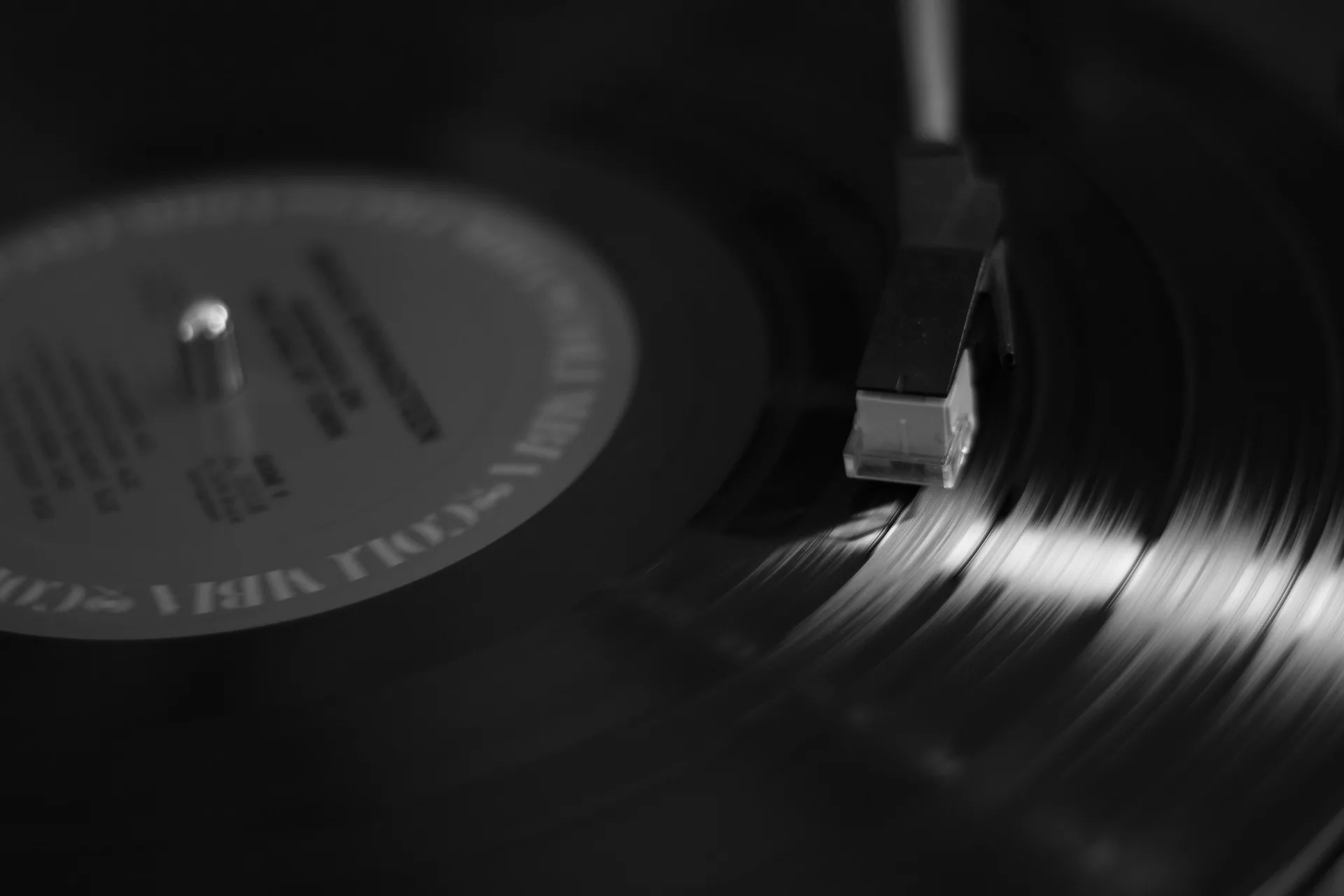
As a lifelong music-lover, musician, and career music teacher, I admit that I can’t imagine a single day without music. I have multiple playlists, providing the soundtrack to my life as I go about chores, exercising, and of course, writing. While music is always inspiring, it sometimes yields unexpected ideas and often takes me on surprising journeys.
The music video for “Speeding Cars” by the Irish rock band Walking on Cars is a case in point. This video features a ritualistic burial on a bleak beach. The video is dark and ethereal, showing a procession of mourners making their way to a secluded cove where they are greeted by red-robed figures holding a shrouded corpse beside a mysterious—and somewhat menacing—person draped in black sat astride a magnificent black horse. This scene immediately captured my imagination, as did the words of the song about secrets and lies—and death, of course. I watched the video on repeat for days, wondering who the black-robed figure was, who had died, how and why, and what the beliefs were that had shaped this morbid moment within this community.
Inspired by these questions, a story idea germinated from the seed planted by the song. Less than a year later, I completed the draft of the book that eventually became By the Blood of Rowans about a teenage boy who has inherited the unenviable role of psychopomp for his isolated island community—and then the murders start. Through multiple revisions and final edits, “Speeding Cars” remained the soundtrack of the book, the song to which I returned any time I felt stuck, felt that I had strayed from the original impetus, or needed a reminder about the essence of the story I was trying to tell.
By the Blood of Rowans was not my first story inspired by music, but it was the book that made me more aware of the vital role music plays in my creative process. Since then, I have become more intentional in my use of music and now carefully curate playlists for each work-in-progress to help me get the best possible version of the story out of my imagination and onto the page so others can read it.
Here are some of the ways I use music to inform, enhance, and assist me in this process.
1. To Get the Proverbial Creative Juices Flowing
Writing can be a struggle. There are times I feel creatively depleted or blocked not so much by a lack of ideas, but by a certain enervation that leaves me unable to pluck words from my brain. This is where music helps me tremendously. Listening to a favorite song, or—even better—discovering an entirely new song often helps me find the energy to start writing. Or a snatch of lyrics might spawn a ‘what if’ I feel inspired to explore through prose, even if it’s just a vignette. If I’m really stuck, I turn to music videos—the more cinematic, the better—because simply trying to describe the video, to capture the scene already created for me, helps limber up the creative muscles of my mind. This approach has been especially useful for inspiring short stories.
2. To Create Atmosphere and Conjure Setting
One of my biggest takeaways from Maggie Stiefvater’s masterclass on novel writing was the concept of mood, particularly knowing how you want to make the readers feel while they are reading your book. This is certainly achievable with characters and their emotions, but as an SFF and horror writer, world-building often takes center stage, and using music to help create a particular mood or conjure a particular setting is essential in my writing process. While this can work on a more macro level where I commonly have a single theme song or instrumental piece summing up the entire vibe of the book, I often use music for specific settings based on individual locations within the story world. One example is the song “Antimatter” by Silent Planet, which I listened to on repeat while writing Silver Helix. This song, with its dark electronic instrumentation and gritty, strained vocals, helped me capture the oppressive cyberpunk feel of the dystopian Helsinki of my novel. Whenever I had characters in the inner city, particularly the clubbing district, I would listen to that song—and watch the music video too—in order to immerse myself in that very specific setting.
3. To Set the Scene
Scene—to me—is a smaller, more intimate and contained setting, or location, within a story. It’s the two characters chatting at the grimy bar where the intensity of the nightclub fades into the background as they gaze into each other’s eyes. It’s the lonely boy beneath an overcast sky wandering a beach strewn with driftwood and ghosts, haunted by the restless spirit of his small town’s latest murder victim, trying to hide his own fear and devastation. This is when I might choose to create a separate playlist for just a few paragraphs of text to help me dive deep into both the sensory details of the moment as well as the emotional landscape of the characters involved. While writing or editing, I may listen to a single song on repeat for hours, literally, as I hone my sentences so that hopefully the reader will be as transported by my words as I have been by the chosen music. This is something I did while writing my forthcoming YA novel Exquisite Decay. I listened to “Red” by Omnimar on repeat while writing the midpoint of the novel in order to perfect the wording so that the reader understands the threat and malice simmering beneath the opulence and decadence of a birthday party.
4. To Understand Character or Theme
Sometimes I’ll start building my playlist(s) for a new WIP without truly knowing my characters yet. While I might start out thinking certain songs apply to certain characters and the arcs I’ve plotted for them in my outline, the first draft always reveals new depths and hidden sides to my characters, which means I often end up reassigning songs—if not deleting them altogether. While drafting, my story always simmers on the back burner in my mind even as I go about daily non-writing life, and this is when I am most likely to hear songs with new ears. I have had many eureka moments while bopping along to an algorithm-generated mix during my commute, when some unexpected snatch of lyrics will make me realize “that’s my character’s wound” or “this line perfectly sums up the relationship between my MCs.”
The latter happened while I was drafting Born of Malice, when I first heard “Alone” by The Cure, which was a random Youtube recommendation. The moment I heard the words, “Cold and afraid, the ghosts of all that we’ve been / We toast with bitter dregs, to our emptiness” and “Broken voiced lament to call us home / This is the end of every song we sing, alone,” I suddenly understood the true nature of the relationship between my sibling MCs, Zal and Leksi, and what was truly at the heart of the story. This song by The Cure quickly became the book’s anthem. I started every writing session by taking five minutes to listen to it, marinating in all the emotions it conjured, before letting myself type a single word. This song allowed me to have a much clearer understanding of both my characters and the underlying themes of loneliness and the fear of losing love that permeates the story.
5. To Perfect the Prosody
Now, this is definitely where my music nerd is showing. I will often use a particular piece of music to provide the rhythm of the scene, to give me a literal beat for the words as I craft sentences paying attention to the flow of the words, the prosody and word-painting, as well as the pacing and even the sound of the individual words. This is also why I always do a ‘read out loud’ revision on my books: as much as I want the words to look a certain way on the page, I also need them to sound a certain way, for scenes to have a particular rhythm to them. There’s a particularly harrowing scene in my book Silver Helix in which my synthetic soldiers are stalking through an emergency-lit, subterranean research facility, having to shoot their way out of a desperate situation. That entire scene is based on the rhythm and musical structure of the song “Gary Heidnik” by SKYND. (Yes, this band sings about serial killers, which perfectly fit the vibes of that particular scene in my book as well.)
While music is my medicine and my go-to source of inspiration, as necessary to me as oxygen, I know not everyone might be similarly inclined. However, if you are a writer who has never tried incorporating music into your creative process, I highly recommend giving it a go. If you usually prefer silence while drafting, then perhaps try using playlists to help get into the zone for your WIP before you start typing. And if you ever find yourself with dreaded writer’s block, perhaps try perusing YouTube for a cool music video and writing the backstory for the visuals. You might be surprised by the gems you discover when you start mining soundscapes for stories!